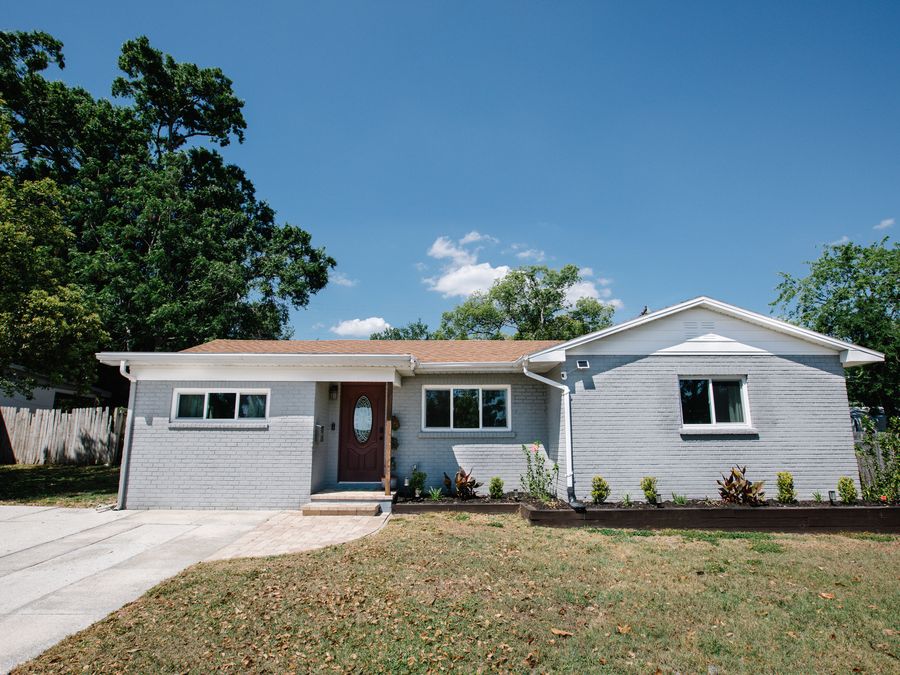
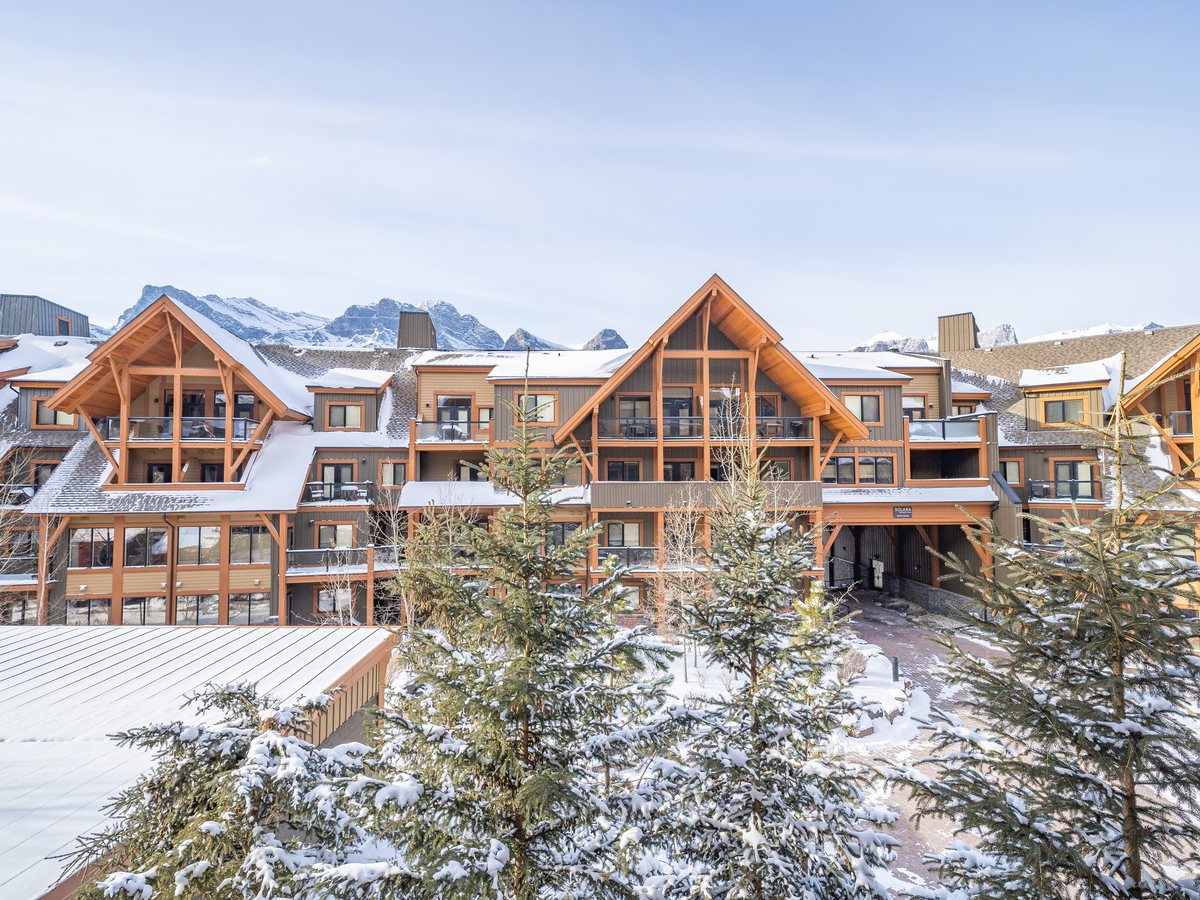
Short-term rental laws are written street by street, they contradict each other, and they change. Knowing what a specific parcel is permitted to do — today — is a job, and it's the one we're best at.
Which jurisdiction your property is legally in. Not the one on your post — a Clearwater mailing address can sit inside Largo, under a different rulebook entirely. This reads the county's own boundary data and answers on the spot.
The jurisdiction is instant in Pinellas, Polk and Hillsborough. We confirm the short-term rental rules jurisdiction by jurisdiction, against each one's own material rather than a published guide. Every Pinellas jurisdiction is done; in Polk and Hillsborough we are working through them now, and where we haven't confirmed one yet we will say so and email you the rules as soon as we have them. Put in an address in one of the other markets we work in and we will research it the same way by hand. Anywhere else, we will tell you so plainly rather than take your details and go quiet.
Minimum stays, registration certificates, safety inspections, occupancy caps, parking ratios, quiet hours, tourist development tax, and association bylaws that can override the city entirely. A destination without rules is mostly a destination that hasn't written them yet.
And it is all set municipally — not by the state, not even by the county. Pinellas describes itself as “a unique mix of 25 governmental bodies”: twenty-five separate rulebooks, in a county you can drive end to end in under an hour. Two properties a mile apart routinely sit under completely different regimes.
Illustrative, and not a map — the tiles aren't in any geographic order and we're not labelling them. The point is the proportion, and that nothing about a property's address tells you which tile it's in.
And they move. In March 2025 Pinellas County adopted a short-term rental ordinance that hadn't existed the year before — certificates, inspections, occupancy caps, an annual fee — and gave owners a three-month window to comply, staggered by ZIP code.
The answer changed for some Pinellas owners and not for others, on the same day. Nobody sent the ones it changed for a letter.
Ordinance 7105-03. Still the rule in standard residential zones more than twenty years later — and still news to owners who bought last year.
Certificate of Use, safety inspection, occupancy cap, parking minimums, quiet hours, $450 a year — for the unincorporated county only.
Different deadlines for different owners, based on where the property sits. Miss yours and the calendar you'd already taken bookings on is what's at risk.
Twenty-five jurisdictions, each free to change its mind, none of them obliged to tell you. Somebody has to be watching.
Natalie is a professional urban planner — a master's in urban planning, and years working with developers to get large condominium, commercial, industrial and subdivision projects through approval. Reading a zoning code, working out which body genuinely has authority over a parcel, and getting a written answer out of a planning department is not something we picked up along the way. It is the job she trained for.
Most short-term rental managers are operators who learned the rules because they had to. We came at it from the other end. Let us take care of the planning and the regulation side of it.
This is the part of the business that quietly eats owners: not the cleaning, not the guests — the tracking. Which authority actually has jurisdiction over your parcel, what it permits today, what it's about to permit, which renewal is due, and what your association's documents say on top of all of it.
The City of Clearwater requires a minimum stay of thirty-one days in standard residential zones. That much is widely known, and most owners stop there — they read “Clearwater” and “thirty-one days” and conclude the door is shut.
It isn't, for everyone. There are five distinct categories of Clearwater property that are legally free to rent nightly, and we have them mapped. The owners inside those categories are frequently the last to find out: running thirty-one-day minimums they don't need to run, or not renting at all, on a property that is permitted to do considerably better.
If you own in Clearwater, this is worth ten minutes. Send us the address and we'll tell you free whether your property falls into one of the five. If it does, that is a material change to what your building is worth, and we'd rather you knew.
Nightly-capable parcels are the minority in this county, which makes one a genuinely scarce asset. That's also why we're not publishing the list.
Owners often arrive having established that a property is allowed to be a short-term rental, and treat that as the analysis being finished. It isn't. Permission is not demand, and a legal short-term rental that loses money is still a rental that loses money.
So we answer both questions — what a parcel is permitted to do, and whether doing it is worth your money. We'd rather lose the agreement at that stage than have you find out in year two.
We used to do the whole thing for nothing, which was pleasant for everyone except us. Now it's split, and the split is honest about which part is a favour and which part is work.
Enough to know whether there's anything here at all.
No cost, no obligation, and we'll tell you plainly if the answer is no. Plenty of these end with us saying don't buy it. Check an address ↑
The written answer for your specific address, dated and sourced.
The $149 is credited in full against your first month's management fee if the property is placed with us within 90 days of purchase. Most reports take a few days, depending on how quickly the city answers the phone.
Would rather talk to a person first? Ask us about a parcel report → — same report, invoiced.
Why the second one costs money: the answer for one address means confirming the parcel with the Property Appraiser, checking the district against the current zoning map, reading the actual ordinance rather than a summary of it, often calling the planning department and getting the answer in writing, reading your association's recorded declaration, and then pricing the thing honestly. That is a day or two of work and it's the reason people come to us.
Anyone who tells you they know “the Florida rules” is telling you they haven't read them. Each of these markets is a separate body of knowledge. We specialise in Pinellas and Polk; the rest are markets we have owned in, run properties in for other owners, or know because they sit right next door.
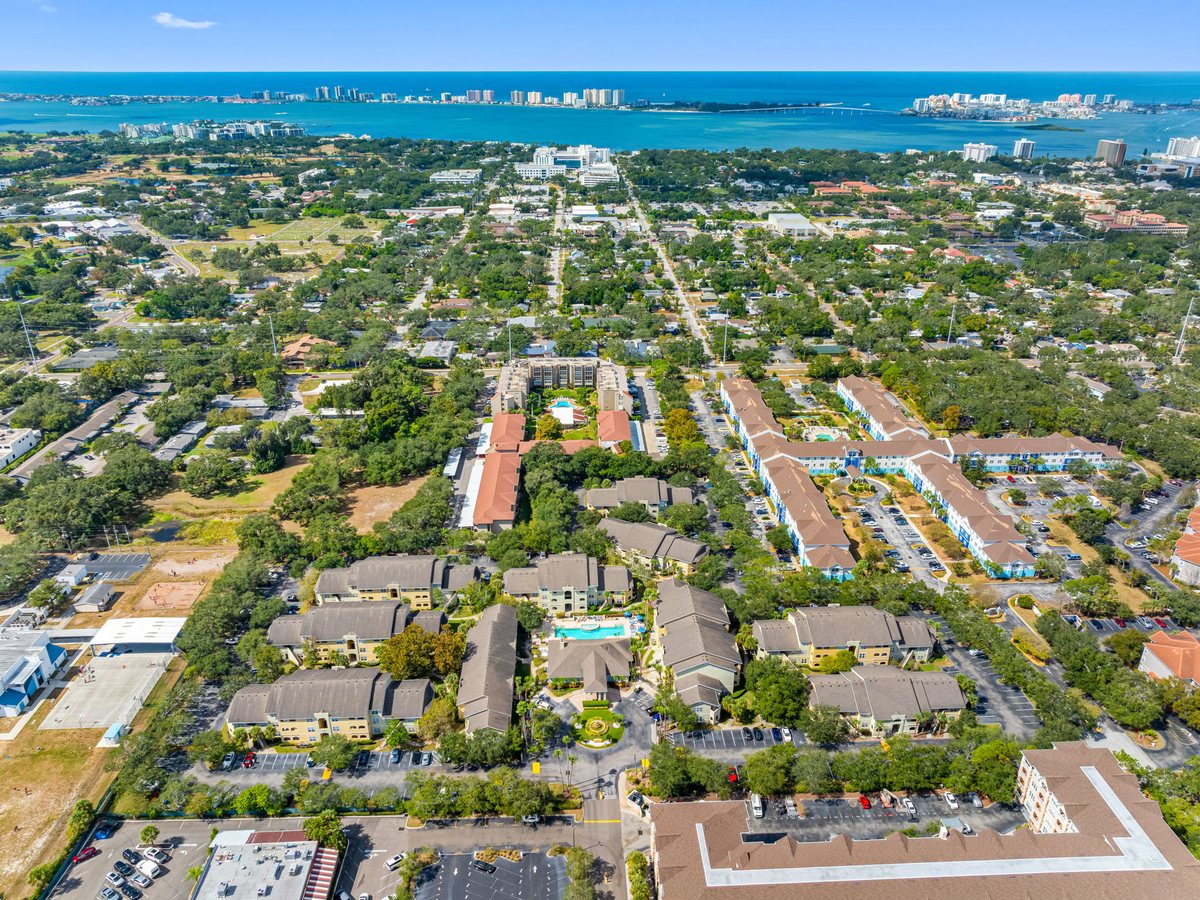
Compliance is the first of three things we do. If the answer comes back yes, the next questions are usually whether the place is ready to list and who's going to run it.
The checker at the top of this page gives you the jurisdiction on the spot, and we follow up by email with what that jurisdiction actually permits. If it's worth going further than that, the Parcel Report is the written answer for your specific parcel.